


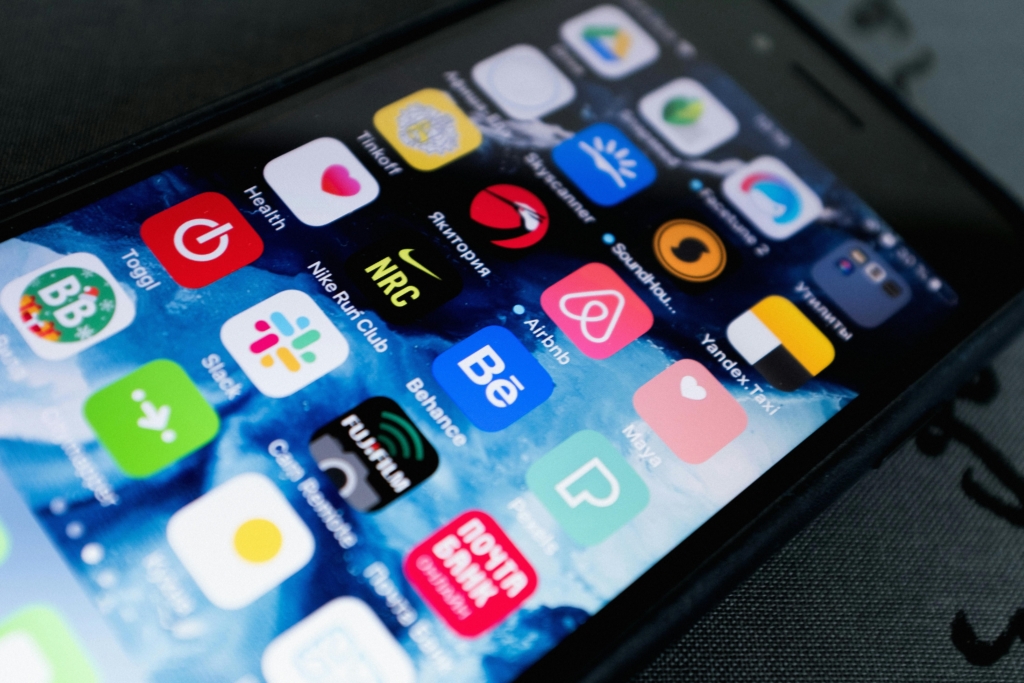
People use their phones for almost everything during live sports now. Checking scores, watching highlights, messaging friends during matches, scrolling social media and opening apps while games are still going on. Sports betting apps changed alongside those habits because users started expecting everything to work faster on mobile.
Long registration forms and slow account setup became harder to tolerate once most online activity shifted onto phones. People got used to apps working quickly, especially on mobile and betting services had to adapt to those expectations as well.
Table of Contents
Why Faster Sign Up Became Important
Sports betting used to revolve much more around desktop users sitting down for longer sessions. Mobile habits changed that pretty quickly. Someone might open an app during halftime, check odds while commuting, or place a quick bet just before kickoff. Long registration processes no longer fit naturally into those moments.
That is one reason betway registration and similar account setup systems became much more streamlined over time. Betting services realized users were far more likely to leave if creating an account felt slow or confusing on a phone screen.
Many online services went through the same shift. People became less patient with long forms and unnecessary steps, especially on smaller screens where everything feels slower already. Sports betting apps followed the same pattern because users now expect quick access without too much getting in the way.
Verification and security checks still matter, particularly around responsible gambling rules. The difference now is that many services try to make those steps feel less frustrating during the setup process. Some apps also spread parts of the verification process out more gradually instead of forcing users through several stages before they can even explore the platform.
That small change makes a difference on mobile. People are usually less willing to sit through complicated setup processes when they are using a phone compared to a desktop computer.
Mobile Habits Changed Sports Betting Platforms
Phones completely changed how people interact with sports betting. Betting no longer happens mostly before games start. A lot of users now check odds, scores and live updates while matches are happening. That pushed betting apps toward simpler layouts and faster access. Nobody wants to miss part of a match because they are stuck filling out forms or waiting for pages to load properly.
The GSMA Mobile Economy Report continues showing smartphone access growing globally, which also changed how people use entertainment and sports apps day to day.
Not everyone uses the newest phones or fastest internet connections either. That still affects how apps and mobile sites are built. Services need to work smoothly across different devices without long loading times or cluttered screens slowing everything down.
Live sports changed expectations too. Someone checking odds during a football match is usually looking for quick access, not a long process before they can even use the app properly. During live games, timing matters more because odds and markets can change quickly while the event is still happening.
That speed pushed many betting apps toward cleaner mobile layouts with fewer unnecessary steps between opening the app and reaching the actual sports markets.
People Expect Faster Access Now
Most online services simplified the way users sign up and log in over the last few years. Sports betting followed the same direction because convenience now shapes almost every part of mobile use.
Streaming apps, shopping platforms and social media all compete for attention on the same screen. If something feels slow or awkward to use, most people will just close the app and move onto something else.
Sports betting services still have to balance convenience with security requirements. Identity checks and account protections are still necessary, though many apps now try to handle those steps in a way that feels quicker and easier to follow.
Simple layouts help as well. People are much more likely to return to apps that feel easy to navigate, especially during live sports where timing matters far more than it does with slower forms of entertainment.
Clear menus and smaller design changes have also become more important on phones because users are usually navigating quickly with one hand while doing other things at the same time. Cluttered screens and confusing layouts tend to stand out more on mobile than they do on desktop.
Why Easy Access Matters Across Sports Apps
Sports apps now compete in the same space as streaming services, social media and other forms of mobile entertainment. People expect fast loading times, clear menus and easy account access no matter what type of app they open.
Betting services adapted to those habits because mobile use changed what people consider normal online. Faster registration, simpler navigation and easier account access became part of the overall experience instead of optional features. Convenience matters more than ever on mobile because attention moves quickly. If an app feels frustrating straight away, most users are unlikely to stick around for long.